Preventive Healthcare Programmes: A Community-Focused Approach


The Importance of Preventive Healthcare Programmes
Preventive healthcare programmes are essential for fostering healthier communities. By focusing on early detection and prevention of diseases, these programmes can significantly reduce the burden of illness and healthcare costs. Communities that embrace preventive measures often see improved overall health outcomes.
Preventive healthcare includes a variety of services such as vaccinations, screenings, and wellness check-ups. These initiatives aim to catch potential health issues before they develop into serious problems. By prioritizing prevention, individuals can enjoy a better quality of life while reducing the strain on healthcare systems.
Community Involvement in Preventive Healthcare
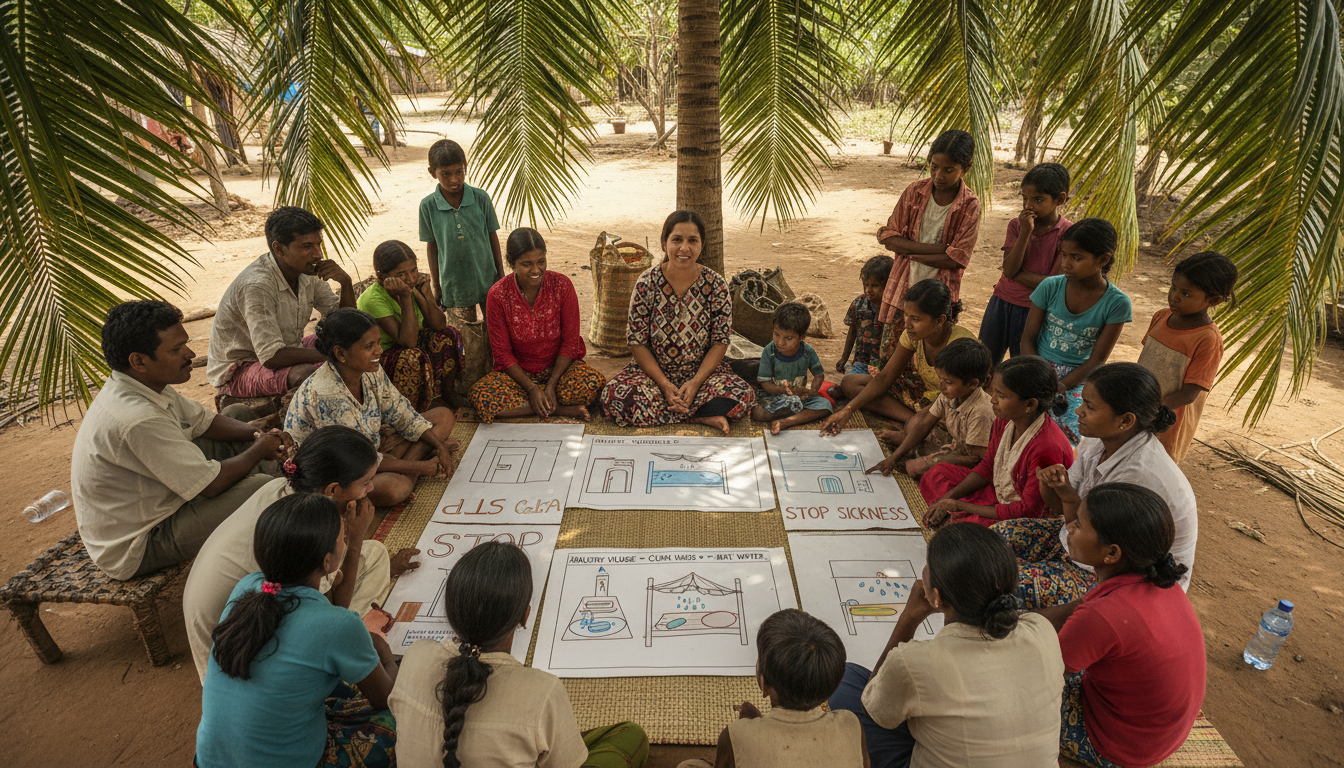
Community engagement is a cornerstone of successful preventive healthcare programmes. When communities are actively involved, they are more likely to participate in and benefit from these initiatives. Local health organizations, schools, and businesses can collaborate to raise awareness and promote healthy lifestyles.
Programs that are tailored to the specific needs of a community are often more effective. By understanding the unique challenges and resources within a community, healthcare providers can develop targeted strategies that resonate with residents and encourage participation.
Strategies for Community Engagement
To effectively engage a community, consider the following strategies:
- Organize health fairs and workshops.
- Develop partnerships with local businesses and schools.
- Utilize social media and local media channels to spread awareness.
- Offer incentives for participation in preventive programs.

Benefits of Preventive Healthcare Programmes
Preventive healthcare programmes offer numerous benefits to individuals and communities. By focusing on prevention, communities can reduce the incidence of chronic diseases such as diabetes and heart disease. This, in turn, leads to lower healthcare costs and a healthier population.
Moreover, individuals who participate in preventive healthcare are more likely to adopt healthier lifestyles. Regular screenings and check-ups provide opportunities for healthcare providers to educate patients about nutrition, exercise, and other lifestyle choices that contribute to overall well-being.
Long-Term Impact
The long-term impact of preventive healthcare programmes is substantial. As more communities adopt these initiatives, the collective health of the population improves. This leads to increased productivity, reduced absenteeism, and enhanced quality of life for individuals and families.

In conclusion, preventive healthcare programmes play a crucial role in building healthier communities. By emphasizing prevention and community involvement, these programmes can lead to significant improvements in public health. Encouraging participation and tailoring strategies to meet the specific needs of a community are key to the success of these initiatives.